Jul 8, 2026 ● Lori Holloway
10 Skills Employers Look for in Entry-Level Candidates
Starting your career—after graduation or completing training—can feel both exciting and overwhelming.
You may wonder: What do employers actually want from someone just starting out?
When organizations hire entry-level candidates, they're not just looking for what you know today—they're also seeking your potential to grow, contribute, and thrive in a rapidly evolving work environment.
The good news is that you don’t need years of work experience to build these skills.
Many are developed through academic, training, or independent projects; part-time or support roles; volunteering; internships; and everyday problem-solving.
Focusing on these skills now can help you build confidence and prepare for future opportunities.
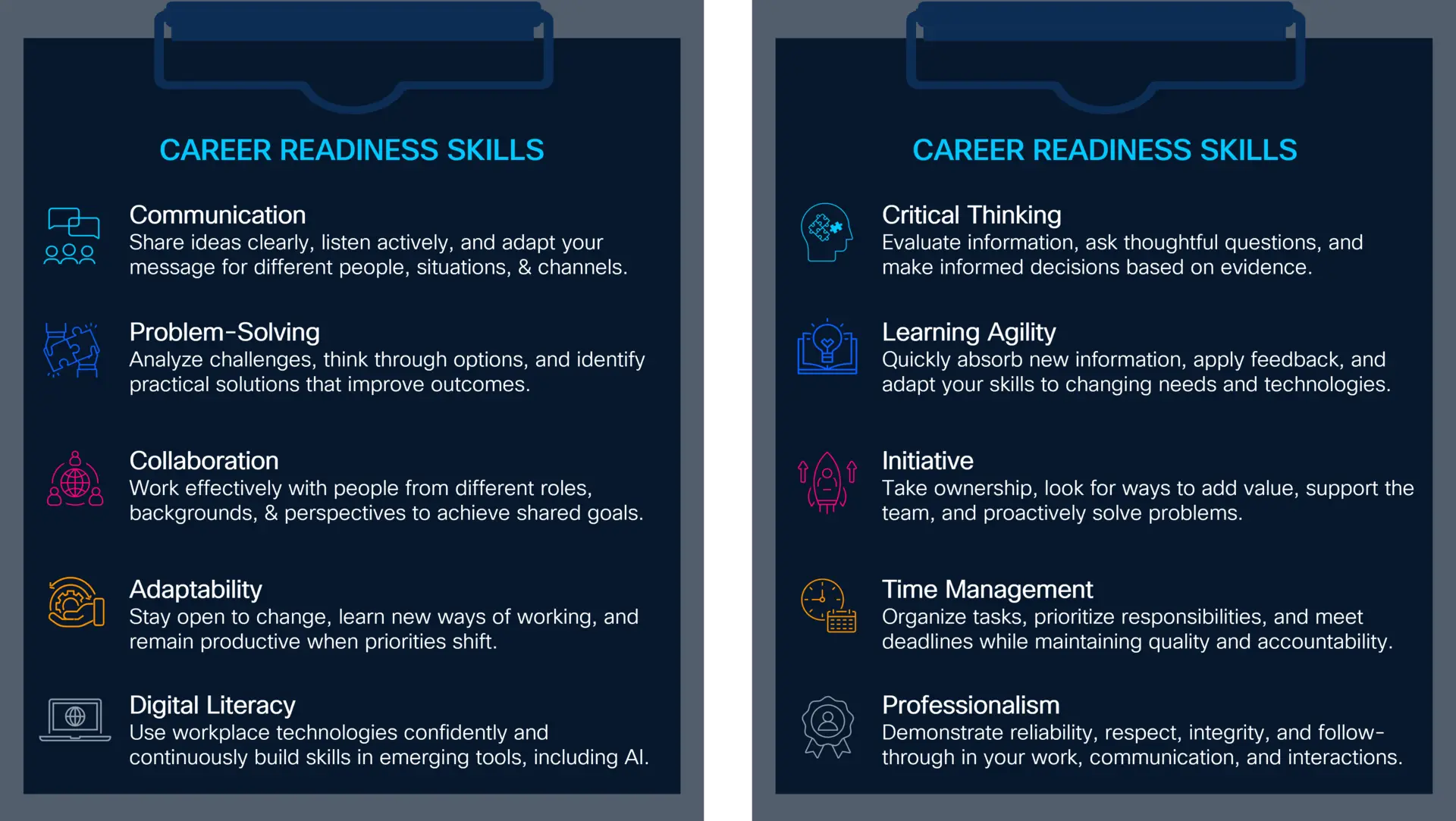
The 10 Skills That Really Matter
Success in today's workplace depends on more than technical knowledge alone.
The following skills can help you navigate challenges, work effectively with others, and continue growing throughout your career.
How to Build These Skills Now
Developing the skills valued in today’s tech workplaces—like remote collaboration, cross-cultural teamwork, and responsible use of digital tools—starts with practical experience.
You can build these skills through a variety of hands-on activities and learning opportunities, such as:
- Hands-On Learning, Projects & Certifications
- Structured courses and hands-on projects, such as those offered through Cisco Networking Academy, Cisco U., or independent study
- Building apps, websites, dashboards, or analyzing datasets
- Contributing to open-source or GitHub projects
- Participating in hackathons or online technical challenges
- Earning certifications in cloud, networking, cybersecurity, and more (including Cisco Certifications)
- Work-Based and Real-World Experience
- Internships, volunteer roles, or support positions
- Solving customer or user problems in service, IT, or technical support settings
Documenting or improving processes and workflows
- Communities and Peer Learning
- Joining student organizations, community groups, or tech interest clubs
- Engaging with professional networks and learning communities such as the Cisco Learning Network

Reflect on Your Skills
Take a moment to consider:
- Which of these skills are your greatest strengths today?
- Which skills would you like to develop further?
- How have you demonstrated these skills through projects, coursework, volunteering, work experience, or other activities?
- What steps can you take to continue building them?
Key Takeaways
Your career is a journey of continuous growth. While technical knowledge can help open doors, recognizing your strengths, identifying areas for development, and taking intentional steps to build new skills can help you navigate opportunities and challenges in an ever-changing world of work.
The goal isn't to master every skill at once. Instead, focus on developing them consistently over time. Small improvements, new experiences, and a commitment to learning can have a lasting impact on your career growth and future opportunities.
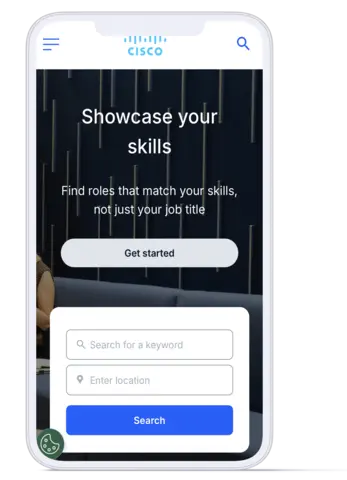
Cisco Talent Bridge helps you showcase both your current capabilities and growth potential so employers can see more than just your experience.
The platform identifies your strengths, reveals skill gaps for specific roles, and highlights close-match opportunities—helping you focus on the skills that matter most for your career goals.
Ready to turn reflection into action?
Create your Cisco Talent Bridge profile to showcase your skills, explore opportunities aligned with your strengths and career goals, and identify the skills you may want to develop next.